
[caption id="attachment_668" align="aligncenter" width="620"]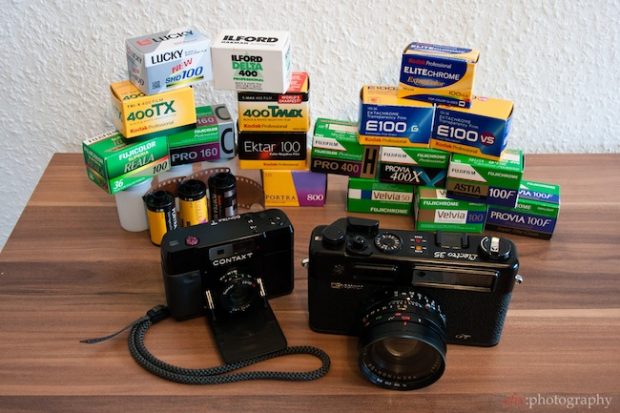 Courtesy of Felix Esser and The Phoblographer[/caption]
Call it nostalgia, call it whatever you want, but there's something special about shooting with film. It's the mystery of not knowing, it's the precision you need to take before pressing down on the click button and most of all, its the unique character of each roll that cannot be mimicked by today's digital world.
Earlier today, our friends Chris Gampat and Felix Esser over at The Phoblographer published an awesome list of underrated film that are slowly but surely dying out. Before they do, give these five a try:
Kodak Ektar 100:
[caption id="attachment_667" align="aligncenter" width="372"]
 Courtesy of Felix Esser and The Phoblographer[/caption]
If you’re just starting out with film photography, you’ll want an easy-to-use film that delivers great results. Kodak Ektar 100 is such a film, but it’s also much more than that. Allegedly having the finest grain of any color negative film, Kodak Ektar produces wonderful colors that are neither too flat, nor too saturated. In daylight, it has a very natural color balance, and great contrast. Overall, its look is almost reminiscent of digital–it’s that well-balanced.
While it may not be the cheapest film out there, a brick of 10 rolls still doesn’t break the bank. Depending on where you get it processed and whether you get it scanned professionally or do that at home, overall cost can vary, as can the quality of the results. But that’s a general issue with all films, and can be both a risk and what makes film photography so interesting: you can never be 100% certain of the outcome, unless you’re using the exact same workflow every time.
Kodak Portra 400:
[caption id="attachment_666" align="aligncenter" width="462"]
 Courtesy of Felix Esser and The Phoblographer[/caption]
The Portra name is one that even most non-film photographers will have come by at some point, because the film community is totally nuts about this one. Undoubtedly one of Kodak’s classics, Portra 400 is a high-speed color negative film that is best suited for portraiture–hence the name. Its color reproduction is more muted than that of Ektar, and is balanced so that skin tones (that of the ‘caucasian’ subtype of the human species, mind you) are reproduced as naturally as possible.
Due to its unique color balance, Portra 400 is less of a universal film and more of a specialty film. When photographing landscapes and nature, for example, the colors won’t have as much brilliance as they will using other films. When taking portraits, however, you’ll be amazed at how well skin tones are reproduced in terms of color, tonality, detail, and contrast.
Fujichrome Velvia 50:
[caption id="attachment_665" align="aligncenter" width="620"]
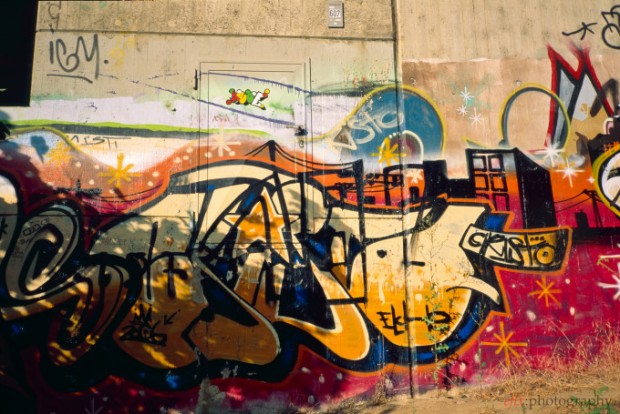 Courtesy of Felix Esser and thephoblographer.com[/caption]
This one is another true classic, as it’s been around for over two decades. Fujichrome Velvia 50 is a slow speed color reversal (‘slide’) film, and it’s even less of a universal and easy-to-use film than Portra 400. In fact, Velvia 50 can be pretty tough to use, as it has a very limited exposure latitude. When you do nail exposure, though, and the light is just right, then you’ll be rewarded with absolutely beautiful pictures.
What makes Velvia 50 so special is its color reproduction, which favors saturated and slightly warm colors combined with strong contrast. When it was first introduced, it quickly became a favorite of landscape photographers due to that, and was serious competition to Kodak’s long-proven Kodachrome slide film–which has been discontinued for a while now. Since slide film is hardly used anymore, we cannot be sure how much longer it’ll be around. So if you want to experience it for yourself, now is the time.
For the full list, click here.
Source: Phoblographer
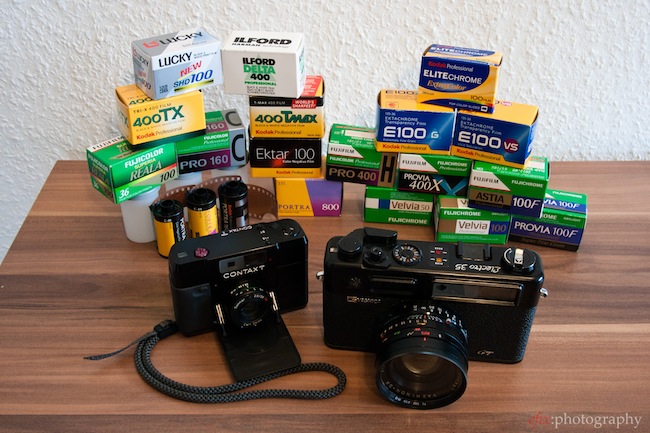 Courtesy of Felix Esser and The Phoblographer[/caption]
Call it nostalgia, call it whatever you want, but there's something special about shooting with film. It's the mystery of not knowing, it's the precision you need to take before pressing down on the click button and most of all, its the unique character of each roll that cannot be mimicked by today's digital world.
Earlier today, our friends Chris Gampat and Felix Esser over at The Phoblographer published an awesome list of underrated film that are slowly but surely dying out. Before they do, give these five a try:
Kodak Ektar 100:
[caption id="attachment_667" align="aligncenter" width="372"]
 Courtesy of Felix Esser and The Phoblographer[/caption]
If you’re just starting out with film photography, you’ll want an easy-to-use film that delivers great results. Kodak Ektar 100 is such a film, but it’s also much more than that. Allegedly having the finest grain of any color negative film, Kodak Ektar produces wonderful colors that are neither too flat, nor too saturated. In daylight, it has a very natural color balance, and great contrast. Overall, its look is almost reminiscent of digital–it’s that well-balanced.
While it may not be the cheapest film out there, a brick of 10 rolls still doesn’t break the bank. Depending on where you get it processed and whether you get it scanned professionally or do that at home, overall cost can vary, as can the quality of the results. But that’s a general issue with all films, and can be both a risk and what makes film photography so interesting: you can never be 100% certain of the outcome, unless you’re using the exact same workflow every time.
Kodak Portra 400:
[caption id="attachment_666" align="aligncenter" width="462"]
 Courtesy of Felix Esser and The Phoblographer[/caption]
The Portra name is one that even most non-film photographers will have come by at some point, because the film community is totally nuts about this one. Undoubtedly one of Kodak’s classics, Portra 400 is a high-speed color negative film that is best suited for portraiture–hence the name. Its color reproduction is more muted than that of Ektar, and is balanced so that skin tones (that of the ‘caucasian’ subtype of the human species, mind you) are reproduced as naturally as possible.
Due to its unique color balance, Portra 400 is less of a universal film and more of a specialty film. When photographing landscapes and nature, for example, the colors won’t have as much brilliance as they will using other films. When taking portraits, however, you’ll be amazed at how well skin tones are reproduced in terms of color, tonality, detail, and contrast.
Fujichrome Velvia 50:
[caption id="attachment_665" align="aligncenter" width="620"]
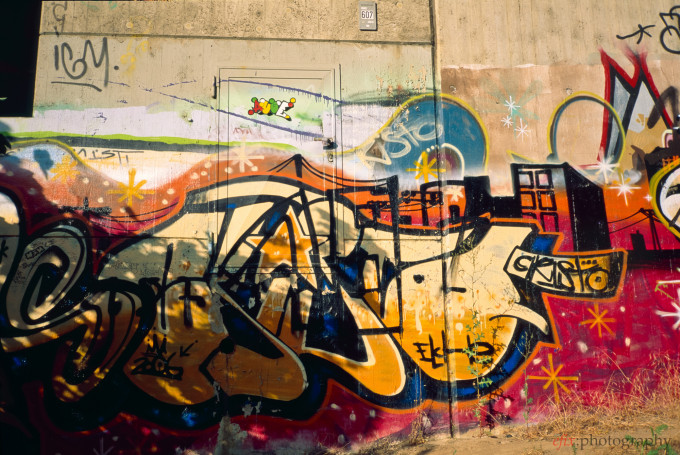 Courtesy of Felix Esser and thephoblographer.com[/caption]
This one is another true classic, as it’s been around for over two decades. Fujichrome Velvia 50 is a slow speed color reversal (‘slide’) film, and it’s even less of a universal and easy-to-use film than Portra 400. In fact, Velvia 50 can be pretty tough to use, as it has a very limited exposure latitude. When you do nail exposure, though, and the light is just right, then you’ll be rewarded with absolutely beautiful pictures.
What makes Velvia 50 so special is its color reproduction, which favors saturated and slightly warm colors combined with strong contrast. When it was first introduced, it quickly became a favorite of landscape photographers due to that, and was serious competition to Kodak’s long-proven Kodachrome slide film–which has been discontinued for a while now. Since slide film is hardly used anymore, we cannot be sure how much longer it’ll be around. So if you want to experience it for yourself, now is the time.
For the full list, click here.
Source: Phoblographer